
You think you know what you’re getting into. You don’t.
Most people arrive in the Karoo with a rough idea of what to expect: flat land, dry heat, empty roads. And yes, some of that is true. But the Karoo has a habit of delivering things you never thought to prepare for – the kind of surprises that quietly rearrange something inside you, and send you home a slightly different person than the one who arrived.
Here are seven things that catch first-timers off guard.
1. The Silence Is Louder Than You Expected
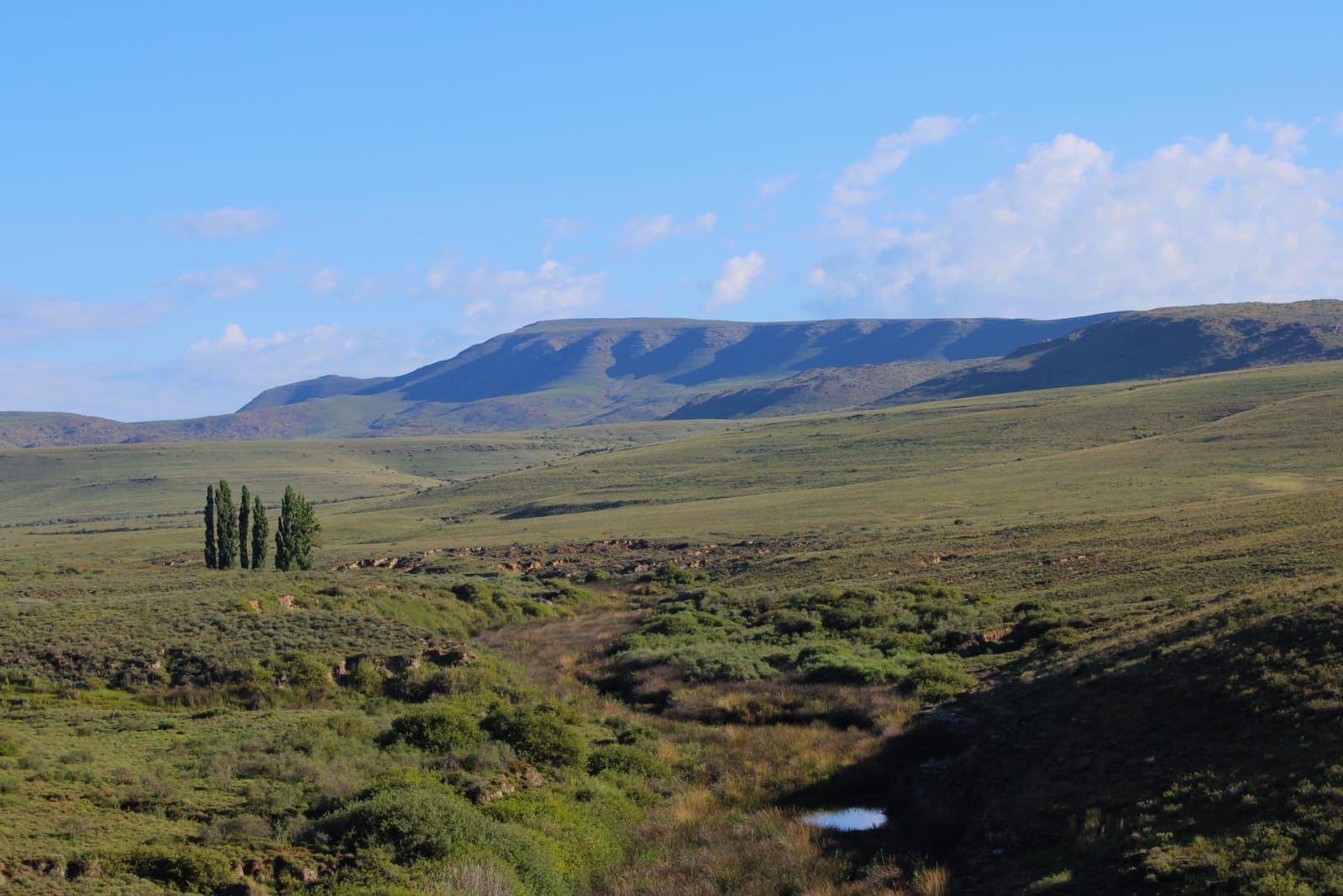
Not quiet. Silent. There’s a difference, and you feel it the moment you step away from your vehicle and into the open veld.
In the Karoo, there is no background hum of traffic, no distant construction, no ambient noise of other people going about their lives. What you get instead is a silence so complete that it takes a few hours to stop waiting for it to end. Your ears adjust, and then something else adjusts too – some internal setting you didn’t know was turned up too high.
Walkers who have never experienced genuine silence often describe the first day on the Camino as disorienting, and the second day as the best sleep they’ve had in years. The silence doesn’t just surround you. It gets into you.
2. The Land Is Older Than Your Imagination Can Handle
The Karoo is approximately 300 million years old. The fossils embedded in the rocks underfoot are not metaphors – they are the actual remains of creatures that lived here before dinosaurs existed. The Sneeuberg mountains were shaped by forces so ancient they predate every human story ever told.
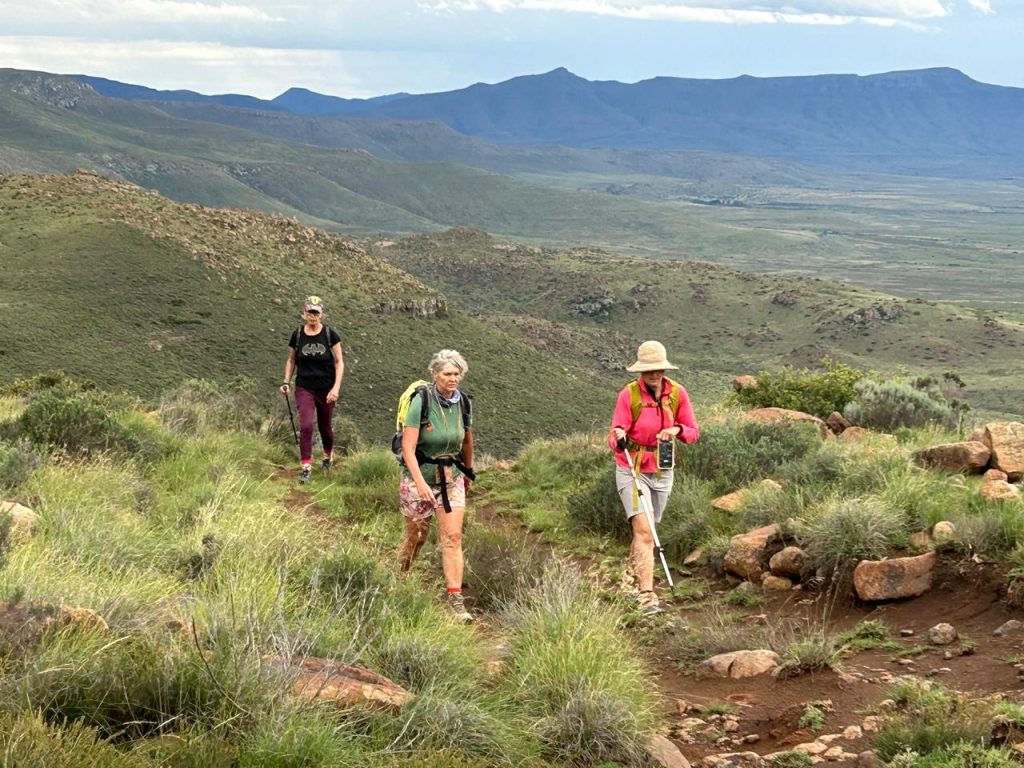
Walking through this landscape does something to your sense of proportion. The thing you’ve been worrying about at work? The project that felt urgent last week? The Karoo receives all of it with absolute indifference, and somehow that is deeply comforting. There is a particular kind of perspective that only ancient land can offer, and the Camino route gives you five days of it, at walking pace, with nowhere else to be.
You don’t just see the Karoo’s age. You feel it underfoot.
3. The People Are the Real Thing
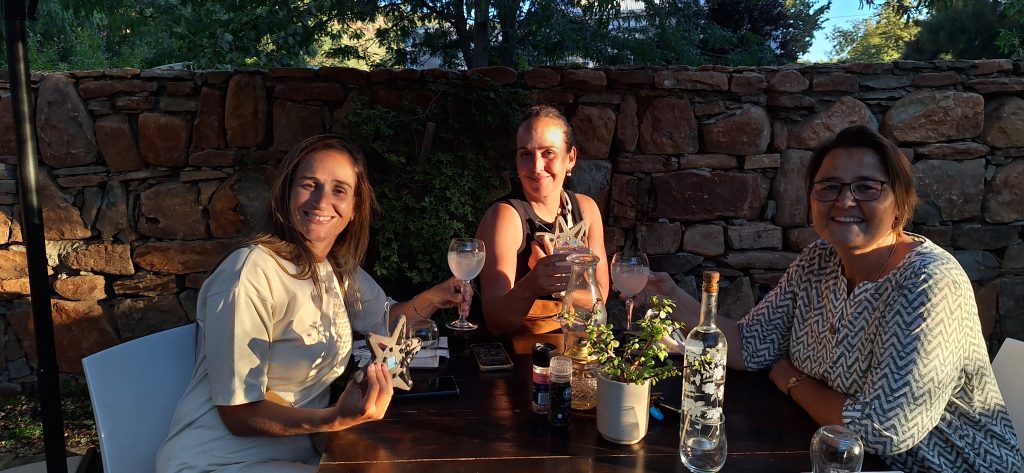
There is a type of person who ends up in the Karoo – and they tend to be the type who has decided, consciously or otherwise, to live at a different frequency to the rest of the world. What this produces is a quality of hospitality and human connection that feels startling in its simplicity.
People look you in the eye here. Conversations happen without anyone checking their phone. A stranger will offer you something before you’ve thought to ask for it. Farm hosts will feed you as though you are family and ask after you as though they mean it – because they do.
In a world where genuine human interaction has become a novelty, the Karoo quietly reminds you what it used to look like. Real people, unhurried, with time for each other. It is not a performance. It is just how things are done out here.
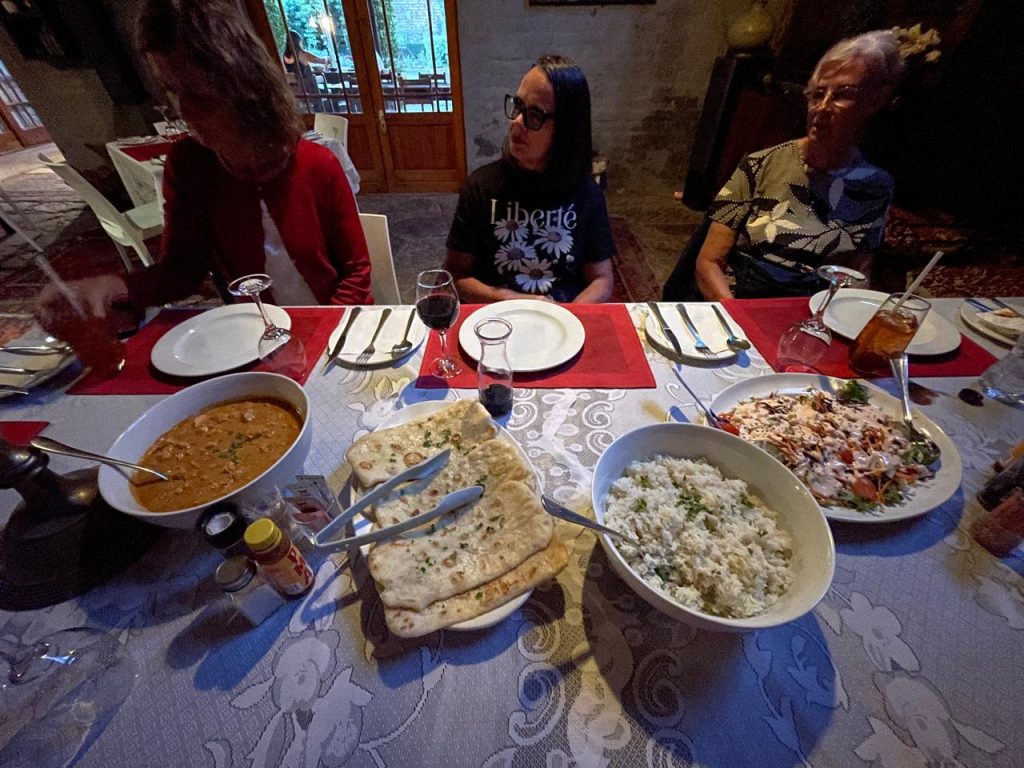
4. The Food Takes Its Time – and That’s the Whole Point
Karoo food doesn’t arrive in fifteen minutes. It arrives when it’s ready, having been cooked low and slow in the way it has always been cooked – bredie that has been on the stove for hours, potjie that has been tended to over coals, bread that was baked fresh that morning, lamb that has spent its entire life on the veld outside your window.
The slowness of the food is not a failure of efficiency. It is the food telling you, clearly, that you are no longer operating at city speed. You sit. You wait. You have a conversation. And then you eat something so good and so honest that you wonder quietly why you’ve been eating any other way.
It turns out that hunger + slowing down + real ingredients + someone who cares about the cooking = something that goes beyond a meal. Karoo food is an experience, and most first-timers are genuinely unprepared for how much they enjoy it.
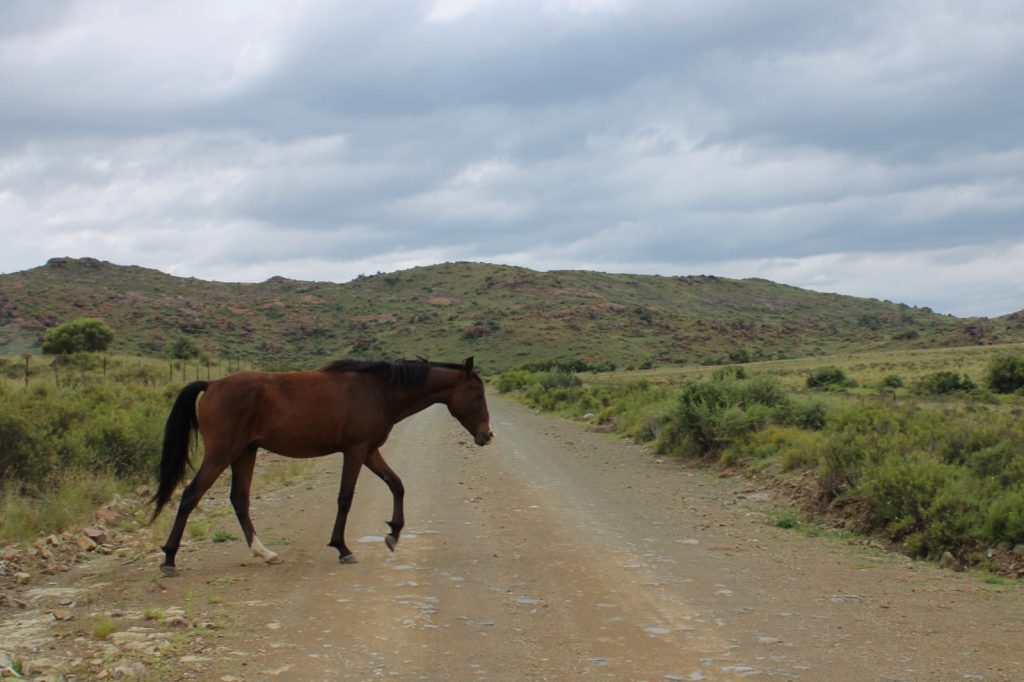
5. The Animals Don’t Run
City animals run. Farm animals in busy tourist areas tolerate. But Karoo animals – particularly on the farms and open land along the Camino route – often simply look at you. A tortoise continues its trajectory with complete disregard for your presence. A family of meerkats assess you briefly and return to their business. A bird lands closer than you’d expect and stays there.
When you are on foot, moving slowly and quietly through the landscape, something shifts in the dynamic between you and the wild things sharing it. You stop being a threat and start being a curiosity. The connection – if you can call it that – is subtle and unhurried and surprisingly moving. Many walkers describe it as one of the unexpected highlights of the route: not a game drive with a checklist, but a quiet return to simply existing in the same space as other creatures.
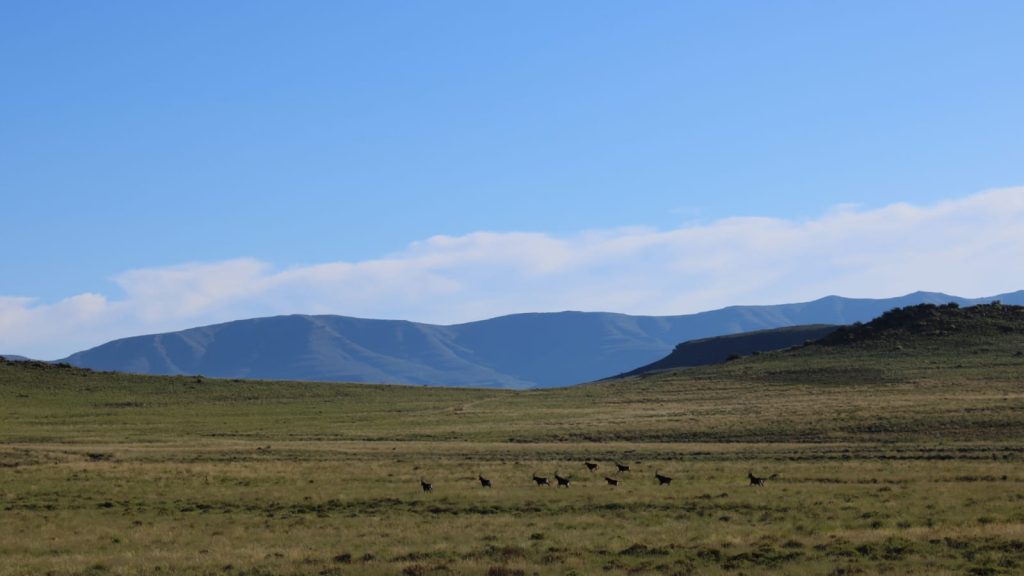
6. You Stop Counting Kilometres and Start Noticing Everything Else
There’s always a moment on the Camino – different for everyone, usually somewhere in the middle of day two or three – when the mental kilometre counter switches off.
You stop calculating how far you’ve come or how far you still have to go. You stop checking your watch. Something in the rhythm of walking, the vastness of the landscape, and the absence of any competing demands on your attention simply takes over. You notice the colour of the light on the mountains at 4pm. You notice the smell of the air changing as you cross from one type of terrain to another. You notice your own breathing.
This is not something you can manufacture. It happens because the Karoo makes it happen – because the landscape is large enough and quiet enough and old enough to pull your attention away from the inside of your head and return it, gently, to the world outside.
Most walkers don’t expect this. Most walkers say it’s the thing they remember most.
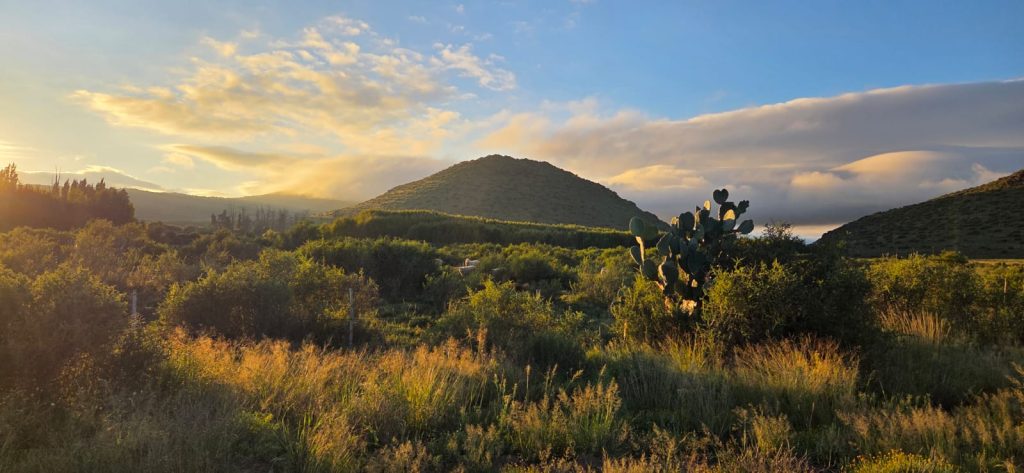
7. You Won’t Want to Leave
This one sounds like marketing. It isn’t.
There is something about the Karoo’s pace – the silence, the sky, the food, the people, the ancient weight of the land – that recalibrates you. By day three of the Camino, your nervous system has done something it rarely gets to do in ordinary life: it has genuinely rested. Not the resting of a Sunday afternoon before Monday morning arrives. Real rest. The kind that takes a few days to sink in.
And then it’s your last day, and you realise you’re not ready for it to end. The thought of re-entering the noise and speed and demands of your regular life feels like a strange thing to have to do. You start looking at dates. You start thinking about who else you’d bring next time.
The Karoo surprises most people twice – once when they arrive, and once when they leave and discover how much they already miss it.
Ready to experience it for yourself? The Nieu-Bethesda Camino runs throughout the year, with all meals, accommodation and luggage transfers included.
Request your info pack today.
Lynnette Blackie
slackpackingthekaroo@gmail.com
📞 +27 (0)82 367 2726
🌐 www.slackpackingthekaroo.co.za
